
GUM SURGERY & PERIODONTICS
Healthy gums are the absolute foundation of a beautiful, strong smile. If you are experiencing bleeding, swelling, or receding gums, our advanced periodontic treatments can halt the damage and comfortably rebuild your oral health.
Here is everything you need to know about periodontal care.
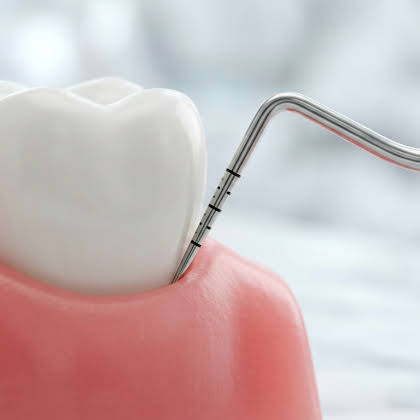
What is Periodontal Surgery?
Periodontics is a specialized branch of dentistry that focuses entirely on diagnosing, preventing, and treating the structures that support your teeth—primarily your gums and underlying jawbone.
- The Cleanout: Removing hardened bacteria (tartar) deep below the gumline.
- The Repair: Using advanced techniques to reattach loose gums tightly to the tooth.
- The Regeneration: Utilizing grafts to regrow lost tissue or bone in severe cases.
When is Gum Surgery Needed?
Periodontal intervention is crucial when bacterial infections begin to destroy your oral foundation:
- Advanced Periodontitis: When deep pockets form between the teeth and gums, trapping unreachable bacteria.
- Severe Gum Recession: When teeth begin to look “longer” and root surfaces are exposed to painful sensitivity.
- Bone Loss: When the infection has begun eating away the jawbone, causing teeth to become loose.
- Cosmetic Contouring: Correcting an uneven gumline or a “gummy smile” for aesthetic perfection.
The Procedure: Step-by-Step
We keep the process smooth and comfortable. It typically happens in three main stages:
- Deep Numbing: We use localized anesthesia so the entire area is completely numb and pain-free.
- Surgical Access: Depending on the need, the gums are gently folded back to allow access to clean the deeply infected roots.
- Regeneration & Securing: Bone grafts or healing proteins are applied if necessary, and the gums are meticulously secured back in place to heal tightly.
Life After the Procedure: Post-Op Care
Recovery is usually much easier than patients expect! To ensure the best results:
- Strict Hygiene: Use an ultra-soft surgical toothbrush and prescribed antimicrobial mouthwash.
- Dietary Adjustments: Stick to cool, soft foods and avoid sharp, crunchy items that could irritate the healing tissue.
- Absolutely No Smoking: Tobacco severely restricts blood flow and will drastically impair your gum healing.
Safety and Success (Managing Complications)
Gum surgery has an incredibly high success rate in halting tooth loss. While “complications” are rare, staying proactive is key:
- Minor Swelling & Bleeding: Some slight oozing and swelling for the first 48 hours is a normal part of the healing process.
- Root Sensitivity: As the gums heal and shrink tightly around the tooth, temporary cold sensitivity is common and easily managed with specialized toothpaste.
- Lifetime Maintenance: Success relies on you! Sticking to a strict 3-to-4 month cleaning schedule with our hygienists ensures the infection never returns.
Why Choose Fabudent Dental Clinic?
At Fabudent, we don’t just “fix teeth”—we restore your foundation. Here is how we take care of you:
- Specialized Periodontists: You are treated by highly trained experts who dedicate their entire practice to gum and bone health.
- Laser Technology: We utilize advanced dental lasers to treat periodontal disease with unprecedented precision, often avoiding the need for scalpels.
- Comprehensive Approach: We analyze underlying factors like bite stress and general health to treat the root cause, not just the symptoms.
Frequently Asked Questions
Can receding gums grow back on their own?
Unfortunately, no. Once gum tissue is lost, it cannot naturally regenerate. However, our Periodontists can perform minor grafting procedures to safely restore your gumline and protect your teeth.Does the deep cleaning surgery hurt?
You will be completely numbed during the procedure, so you won’t feel any pain. Post-operative soreness is typically mild and easily managed with standard pain relievers.